Understanding Hazardous Locations
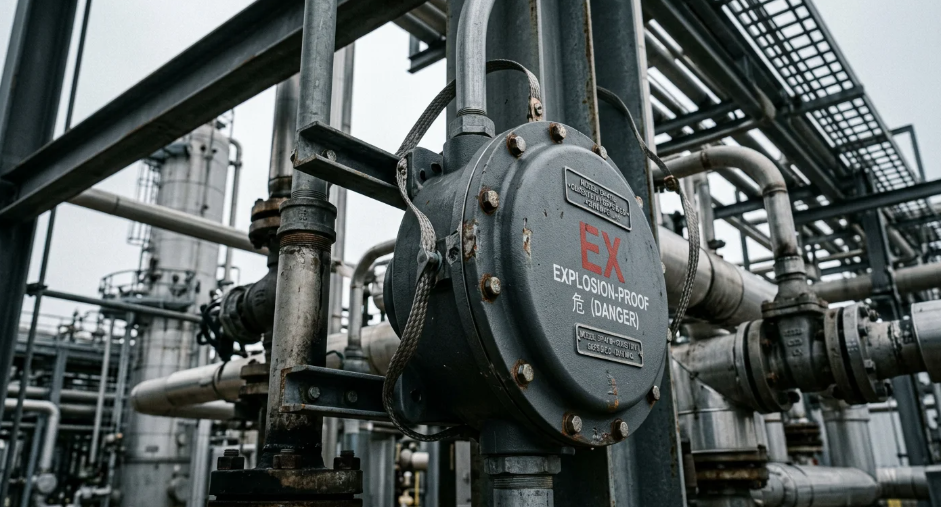
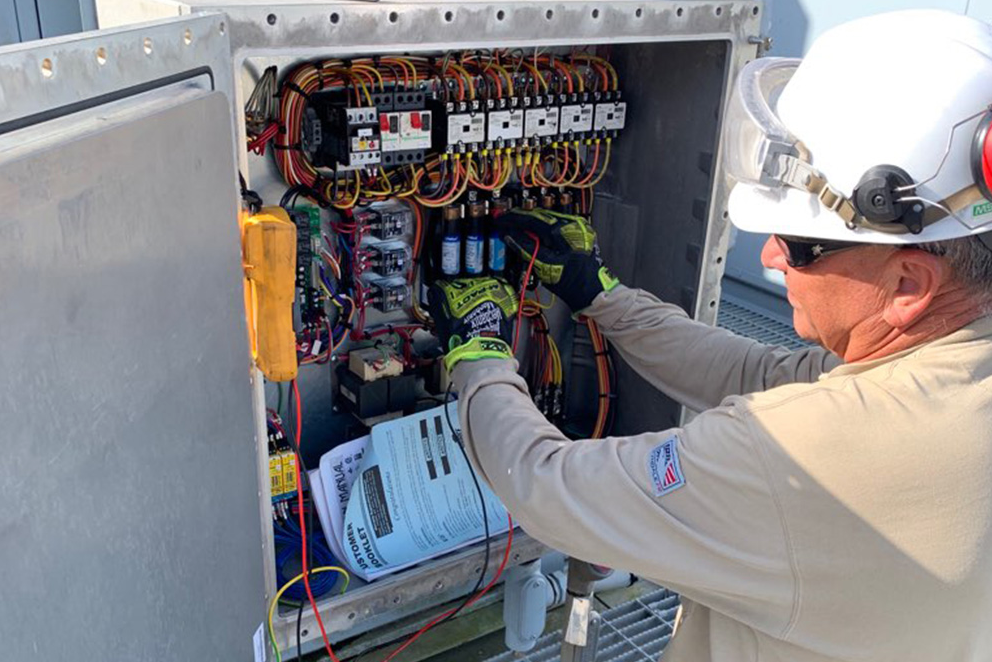
Electrical enclosures in areas with combustible gases, vapors or dust must protect internal components and prevent ignition from reaching the atmosphere. The correct choice depends on area classification, operating conditions and the equipment installed inside.
Key Factors to Consider
- Explosion-proof or flameproof construction suitable for the classified zone
- Zone 1, Zone 2 or dust-zone requirements and the expected release frequency
- Robustness, impact resistance and corrosion-resistant material
- IP rating for dust and water protection
- Temperature control and compatibility with internal components
- ATEX, IECEx, UL or applicable regional certification
Materials and Construction
Aluminum, stainless steel, cast metal and suitable non-metallic materials each fit different environments. Material choice should account for corrosion, mechanical impact, temperature, weight and installation requirements.
Applications and Benefits
- Oil and gas processing, storage and loading facilities
- Chemical and pharmaceutical plants
- Mining and mineral processing operations
- Food, beverage and combustible-dust facilities
- Marine, logistics and industrial automation applications
Final Thought
A correctly selected enclosure protects people, equipment and production continuity. Exguangs provides enclosure design, custom control cabinets and hazardous-area electrical integration for demanding applications.