Understanding the Terms
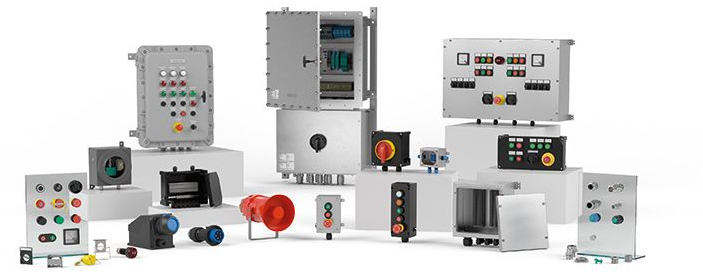
Explosion-proof and flame-proof equipment both reduce ignition risk in hazardous areas, but the terms are used differently by regional standards. Explosion-proof designs commonly emphasize containing an internal explosion with a robust enclosure, while flameproof Ex d designs use an enclosure and flame paths to contain and cool escaping gases.
Technical Differences and Testing
- Explosion-proof equipment is tested to contain an internal explosion without ignition outside the enclosure
- Flameproof equipment is evaluated for pressure resistance and flame-path performance
- The correct selection depends on the applicable NEC, UL, ATEX, IECEx or local requirements
Construction and Materials
Both types may use stainless steel, cast aluminum, brass or other robust materials. Enclosure thickness, flame paths, sealing, cable entries and temperature control must match the certification and hazardous-area conditions.
Applications and Regional Considerations
- Oil and gas: lighting, control panels, motors and junction boxes
- Chemical and pharmaceutical: pumps, switches, enclosures and ventilation
- Mining and food processing: motors, communications, lighting and dust protection
- North America often uses Class/Division and explosion-proof terminology; Europe and international markets commonly use ATEX and IECEx Zone and Ex terminology
Installation, Maintenance and Cost
Both categories require trained installation, accurate sealing and regular inspection. Check gaskets, conduit fittings, flame paths, covers, bolts and dust accumulation. Heavy-duty materials and certified installation can increase initial cost, but the right protection prevents equipment damage, downtime and regulatory penalties.